Morocco trip planning
A complete guide to designing a Morocco trip that fits you: itineraries, budget, season, accommodation, transport and the mistakes to avoid.
Where to start: three questions to ask yourself
Before choosing an itinerary, three questions decide everything else: how much time do you have? What do you want to feel (cultural immersion, adventure, rest, romance)? And what level of comfort do you expect? A couple with seven nights planning a refined honeymoon will not build the same trip as a family of six planning two weeks with teenagers.
A good Morocco trip plan always starts with a conversation, not a map. The itinerary comes out of that conversation — never the other way around.
How many nights should you plan?
Seven nights: a successful first trip. Marrakech (2), High Atlas (1), Agafay or Zagora desert (2), return via Aït Ben Haddou and Ouarzazate (1), Marrakech (1). Short but dense.
Ten to twelve nights: the full imperial loop. Casablanca, Rabat, Fès, Chefchaouen, Marrakech, deep Sahara desert (Erg Chigaga or Merzouga). This is the ideal length for a first in-depth journey.
Fourteen nights or more: add the Atlantic coast (Essaouira, Oualidia), the Drâa valley, the Anti-Atlas or the remote Aït Bouguemez valleys. This is the format for returning travellers, or those who really want to take their time.
The main classic itineraries
The Southern loop (7–9 nights): Marrakech → High Atlas → Ouarzazate → Drâa Valley → desert → return via the Valley of Roses. Strong contrasts, very photogenic.
The Imperial loop (10–12 nights): Casablanca → Rabat → Fès → Meknès → Volubilis → Chefchaouen → return via Casablanca or continue to Marrakech and the desert.
The Grand Tour (14+ nights): a combination of both loops, with the Atlantic coast as an option. This is the definitive Morocco journey.
We consistently advise against itineraries that try to see everything in ten days. Morocco rewards slowness; rushing gives you only a caricature of it.
When to go: the real calendar
October to April: the best window for the Sahara and the south. Days at 20–25°C, cool nights, skies perfect for stargazing.
March to June: ideal light for the imperial medinas (Fès, Marrakech, Meknès). Gardens in bloom, temperatures still pleasant.
July and August: the interior gets very hot (40°C+). Fall back on the Atlantic coast (Essaouira, Oualidia, Asilah) or the high-altitude valleys of the High Atlas.
Ramadan: worth knowing before you book. Public restaurants slow down during the day, but the evening atmosphere in the medinas is magnificent. Our itineraries adapt without losing any comfort.
Budget: what to expect for a bespoke trip
A high-end private trip to Morocco — exceptional riads, dedicated driver, certified guides, private desert camp — typically ranges from 400 to 900 USD per person per day, depending on the level of accommodation and experiences.
An ultra-luxury trip (palaces, helicopter, VIP experiences, private chef) easily rises to 1,500–3,000 USD per person per day.
What makes the difference is never the headline price, but what's included: type of vehicle, seniority of the guide, exclusivity of the experiences, ability to open doors closed to the public. A real bespoke trip is measured by the invisible details.
Transport: private driver, train or domestic flight?
Private driver: the best option for a bespoke trip. Full flexibility, photo stops, deep local knowledge. 4x4 or air-conditioned minivan depending on group size.
Train (ONCF): excellent between Casablanca, Rabat, Fès, Marrakech and Tangier. The Al Boraq high-speed train connects Casablanca to Tangier in 2h10. Combine with a driver for rural areas.
Domestic flight: useful to save time between the north (Fès, Tangier) and the south (Marrakech, desert). Royal Air Maroc operates daily.
We advise against car rental for most travellers: Moroccan driving, road signage and southern pistes really call for local experience.
Where to sleep: riads, kasbahs, camps and lodges
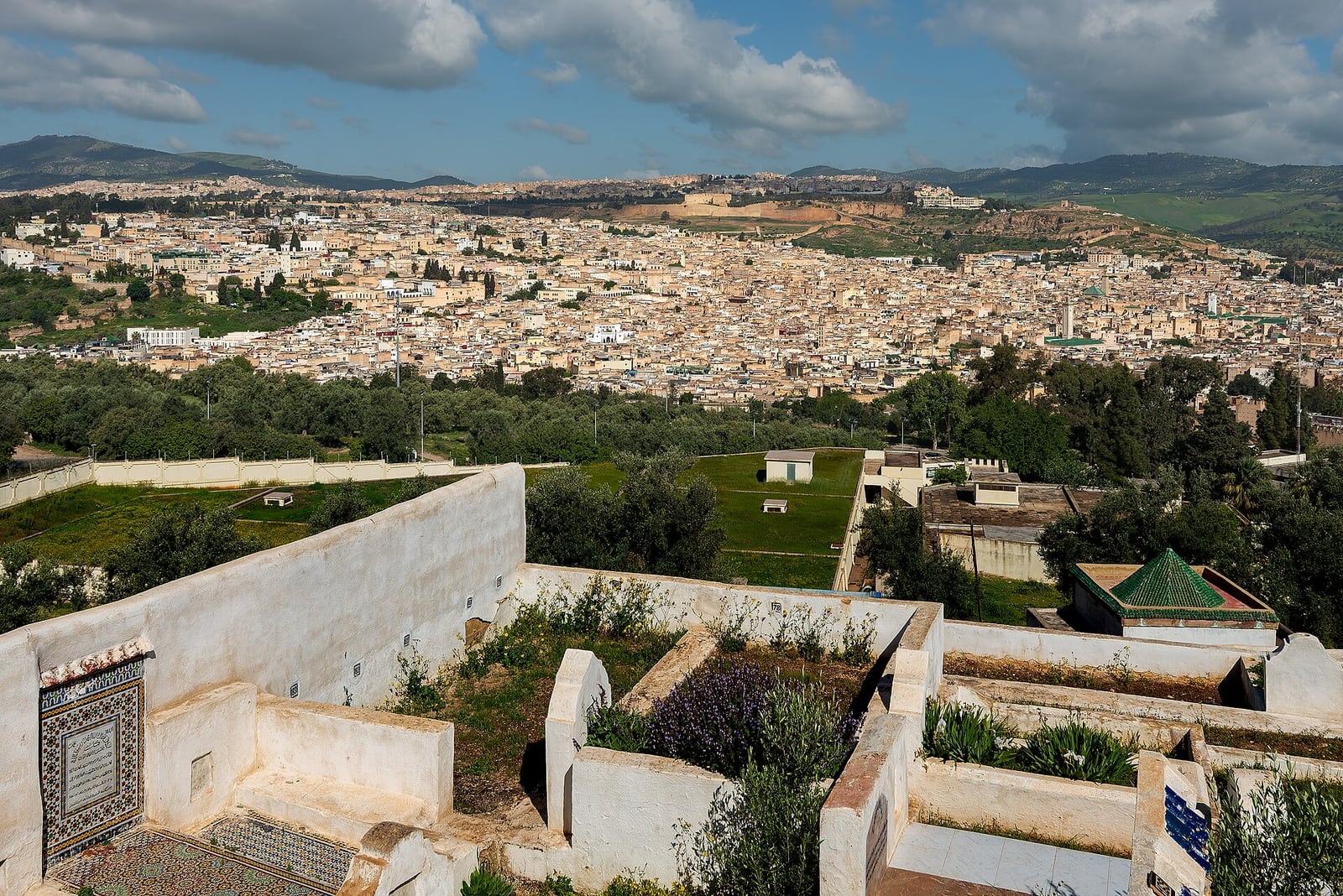
Riads: traditional houses built around a central courtyard, in the heart of the medinas. Choose a tastefully restored riad, not just a hotel labelled 'riad'. The best are in Fès, Marrakech and Essaouira.
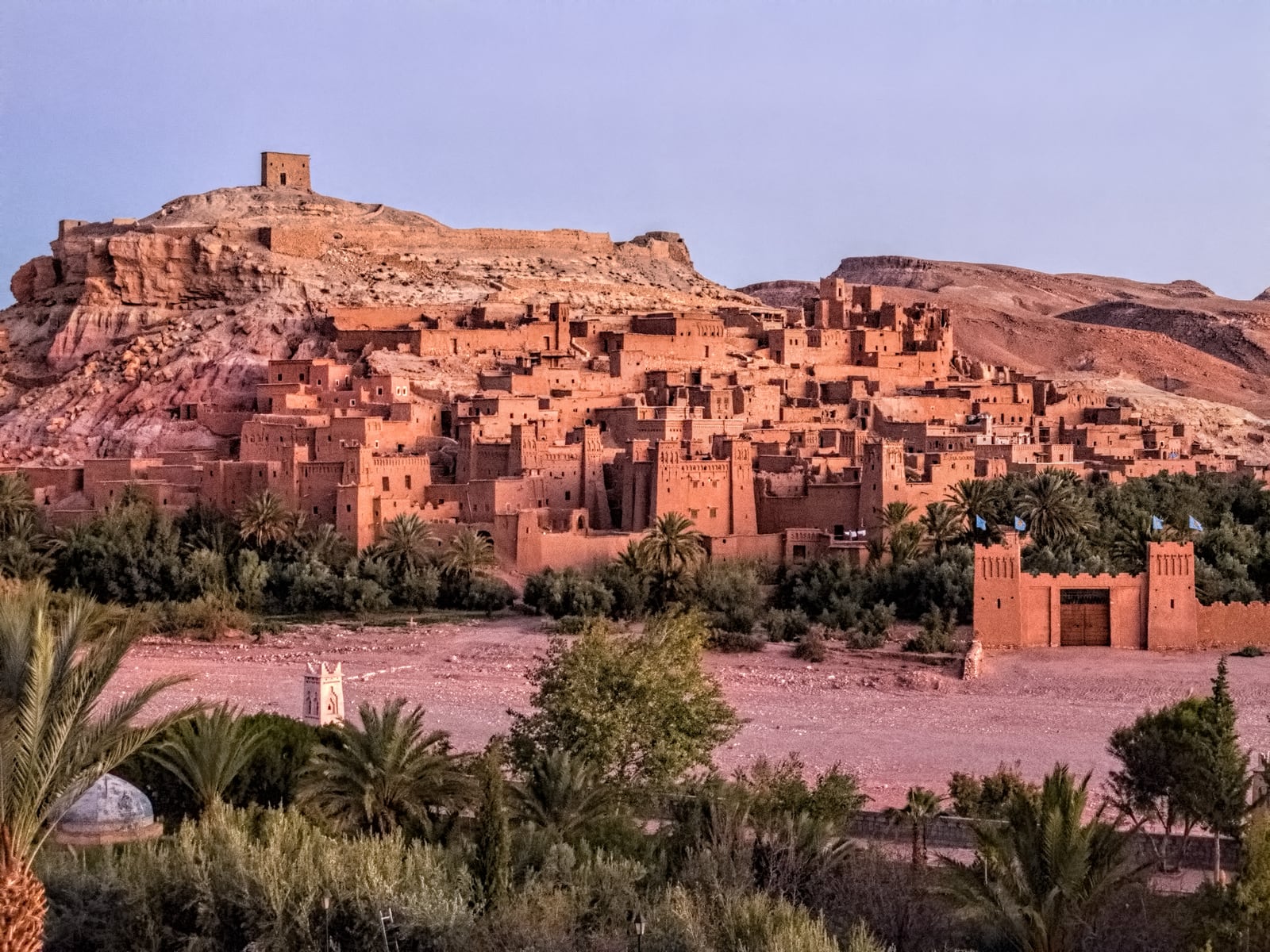
Kasbahs: pisé fortresses of the Drâa valley and the Atlas. Some have been converted into exceptional hotels (Kasbah Bab Ourika, Dar Ahlam).
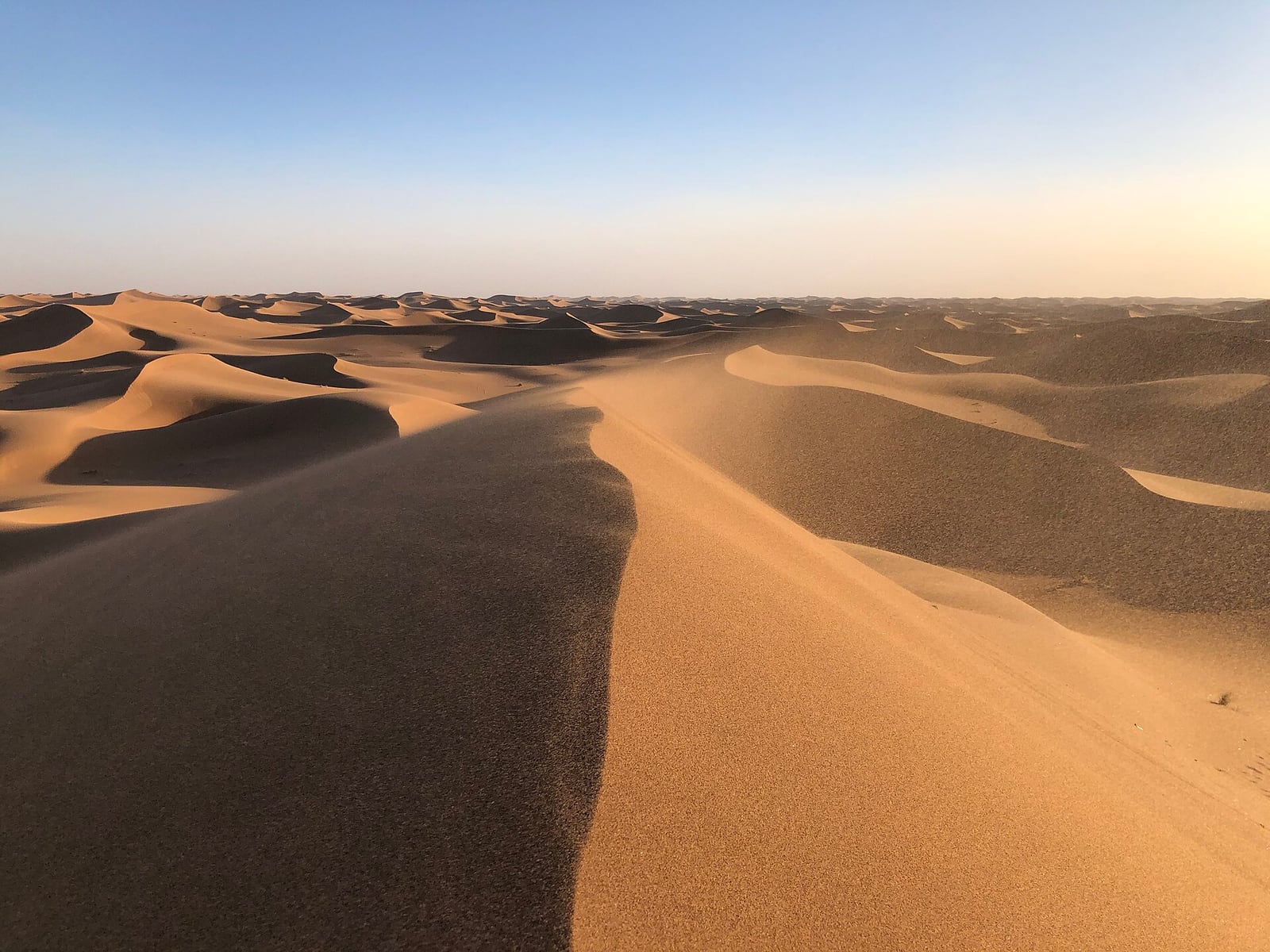
Desert camps: the real dividing line between travellers. A private camp in Erg Chigaga (4h of piste) has nothing in common with a tourist camp in Merzouga you can drive to.
Mountain lodges: the High Atlas offers boutique lodges with Berber cuisine, fireplace and panoramic views.
Visa, currency, health, connectivity
Visa: most European, North American and Australian travellers don't need a visa for stays under 90 days. Passport must be valid six months beyond the return date.
Currency: the Moroccan dirham (MAD) is not convertible abroad. Change money at the airport or a bank on arrival. Credit cards accepted in hotels and larger restaurants; keep cash for souks and tipping.
Health: no compulsory vaccinations. Drink only bottled water. Private clinics in Marrakech, Casablanca and Rabat are of excellent standard.
Connectivity: a Maroc Telecom or Inwi eSIM is available in minutes. Fast wifi in most riads.
Mistakes to avoid
Trying to see everything. Morocco feels four times the size of France in travel distances: better to live three regions well than skim seven.
Booking too late. The best riads and private camps fill up 4 to 6 months in advance for peak seasons (April, May, October, November).
Underestimating drive times. Marrakech–Merzouga is 9 hours. Fès–Chefchaouen is 4 hours. Always break the journey into stages.
Travelling without a guide in the medinas. Fès el-Bali without a historian means getting lost in a set without ever stepping into the story.
Why work with a journey designer
A booking engine gives you rooms. A journey designer gives you a country. The difference: access to riads that aren't bookable online, drivers and guides personally selected, private experiences (dinner in a palace, private hammam, cooking class with a chef), flawless coordination on the ground.
Every itinerary we design starts with a thirty-minute call. From there, we build a trip that exists only once — yours. It's the only way, for us, to do this work.
Read next
Let's start
dreaming
Our team responds within 2h. Every journey is a conversation — no standard forms, just your story to tell.