There is no single High Atlas hike
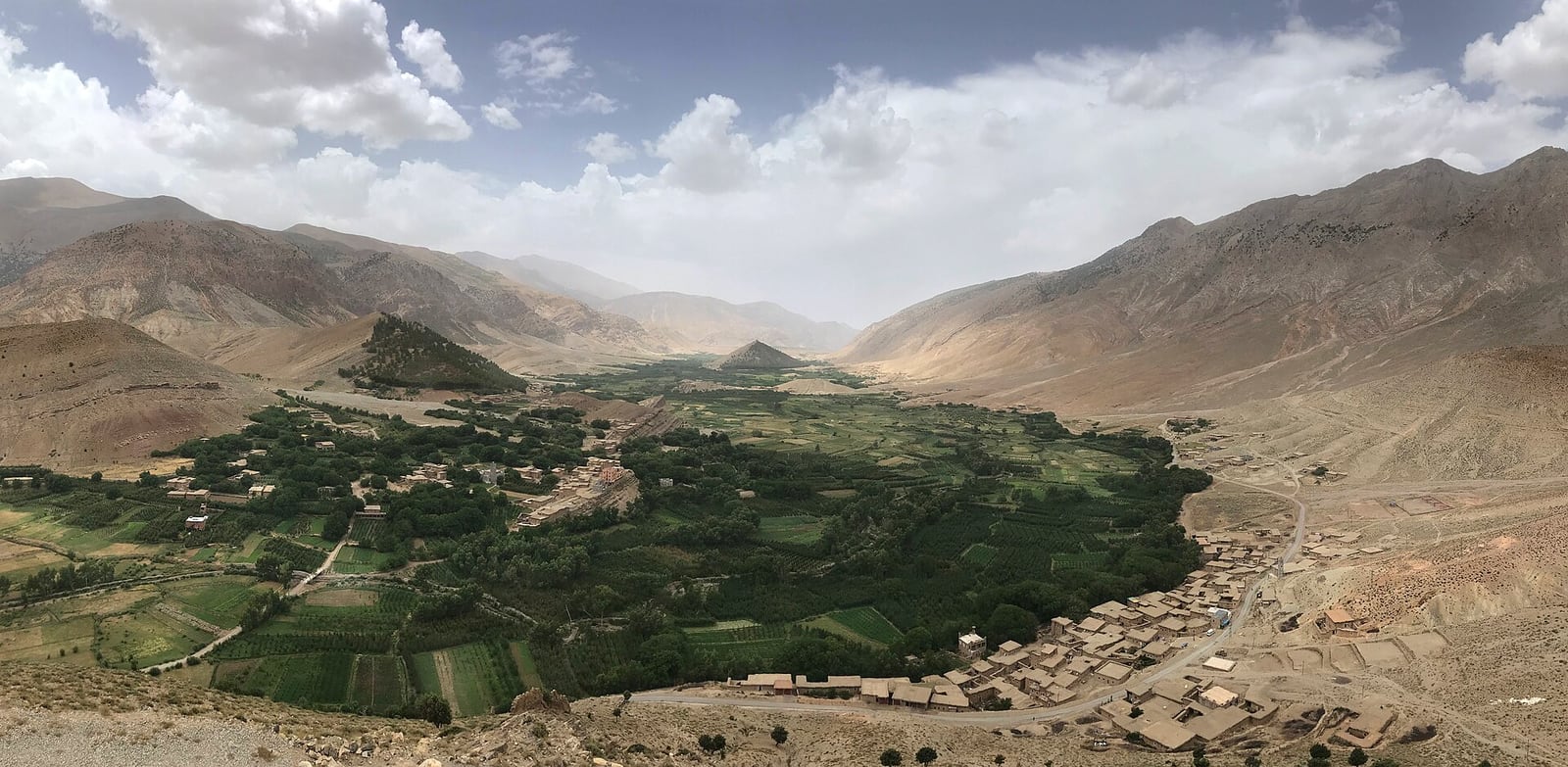
The High Atlas stretches across distinct valleys, elevations and climates. Ouirgane offers gentler paths through olive groves and red-earth villages. Imlil gives direct access to high mountain terrain. Aït Bouguemez opens into broad cultivated valleys where walking can remain cultural rather than athletic.
Distance alone does not describe difficulty. Altitude, ascent, heat, loose ground and the length of the descent matter more. A private guide should ask how often you walk, how your knees handle descents and what kind of day leaves you energised rather than exhausted.
Four ways to walk the Atlas
The levels below are a planning language, not a medical assessment. Weather and trail conditions can change the character of any walk, so the final route should be confirmed locally on the day.
| Style | Typical day | Comfort plan |
|---|---|---|
| Gentle valley walk | 2–3 hours, modest ascent and frequent pauses | Private lodge, vehicle nearby and a prepared lunch |
| Full day hike | 4–6 hours on village paths and mountain slopes | Guide, picnic, walking poles and return to the same lodge |
| Multi-day trek | Several consecutive walking days with passes | Mules for luggage, cook, gîtes or selected lodges |
| Toubkal ascent | High altitude, sustained climb and a long summit day | Licensed mountain guide, refuge and technical kit when conditions demand |
When to hike: valley season is not summit season
Spring brings green valleys, running water and changeable high-mountain conditions. Autumn offers clear light and comfortable temperatures at many elevations. Summer can suit the highest routes when lower Morocco is hot, provided walking starts early and exposure is managed.
Winter transforms the upper Atlas. Snow, ice, cold and wind can require crampons, an ice axe and genuine winter experience. A sunny forecast in Marrakech says little about a 4,000-metre ridge. The local guide's decision must take precedence over the programme.
- March to May: excellent valley walking; verify snow higher up
- June to September: early starts and higher-altitude routes
- October to November: clear walking weather with shorter days
- Winter: specialist conditions on high routes; gentle valleys may still be possible
A licensed guide is part of the experience, not an accessory
Morocco recognises guides for natural areas as professionals who accompany visitors through mountains, deserts and other outdoor terrain. For high routes and the Toubkal massif, plan with a licensed local mountain guide and reconfirm current access requirements before departure.
The guide reads more than the path: cloud build-up, water, village customs, group energy and possible escape routes. They can shorten a loop without making the day feel like a failure, or change valleys when weather makes the original objective unwise.
Share health information that affects exertion, altitude or emergency care before the walk. Travel insurance should cover the planned altitude and activity. No article, app or GPX track replaces a live assessment of mountain conditions.
What a comfortable private hiking day includes
Comfort begins before the trail: a realistic start time, a vehicle in good condition, water already chilled and a guide briefed on the group. On the mountain it means a pace that permits conversation, shade for lunch, walking poles when useful and the confidence to turn around.
For multi-day routes, mules can carry luggage while travellers keep a light daypack. A cook turns lunch into a proper pause rather than packaged fuel. Accommodation can range from simple village gîtes to private lodges; the proposal should state bathrooms, bedding, heating and the distance walked between them.
A fine Atlas day ends with enough energy to enjoy the terrace, not simply reach it. That is why private pacing matters more here than adding another summit to the itinerary.
| Always | Depending on season | Leave to the support team |
|---|---|---|
| Water, sun protection, light layer, medication | Warm hat, gloves, waterproof shell, technical equipment | Main luggage, lunch equipment and camp supplies |